Arrange the images of the character by drag & dropping them around open_in_new
drag_indicator
drag_indicator
drag_indicator
Select the 2 images you want to swap
Remove images of the character
Image (Click on them to select them)
Add art tags to the character's images
Select/deselect images you want to art tag by clicking on them.
Tip: You can mass art tag by clicking "Add current selection" then go to the Pic Tagging page and continue there.
Tip 2: You can see all uncredited images of the series on this page (also accessible via the contributor hub).
Bad images are images that you think need improvement (because of thick borders, a lot of noise etc.), not just borderless images Select them by clicking on them
Arrange the aliases of the character by drag & dropping them around
Circuit BeeCrabro-coruscusRed Bee
Add tags to the character
Click on a tag after selecting it to spoiler it.
Spoil tags of the character
Remove tags from the character
Edit the description of the character
Type none to remove the description
Character/series/tag pages can be linked using the following format: [character:123456 Text] or [series:123456 Text] or [tag:123456 Text]. Replace 123456 with the ID of the character/series/tag you want to link to.
Spoilers can be added using the ||spoiler text|| syntax.
To add multiple descriptions to a character, add a Label using [[Text]] before the corresponding text. Click here for an example.
[[1954-1975]]
From a terrifying force of nature representing the horrors of war, to a parental figure primed for blockbuster kaiju team-ups,
Godzilla's role varied with each new Show era incarnation.
[[1984-1995]]
In 1984, the King of the Monsters' cinematic canon returned to its darker roots in Godzilla Returns.
This raging Godzilla radiated renewed menace, with a mountainous silhouette of massive dorsal fins running from its fanged face to its longest tail yet.
Sigurd's danger level: 90%
Scientific name: Crabro-coruscus
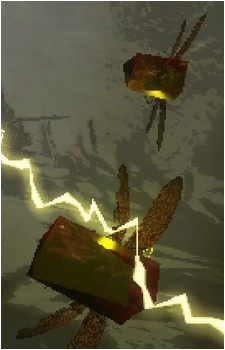
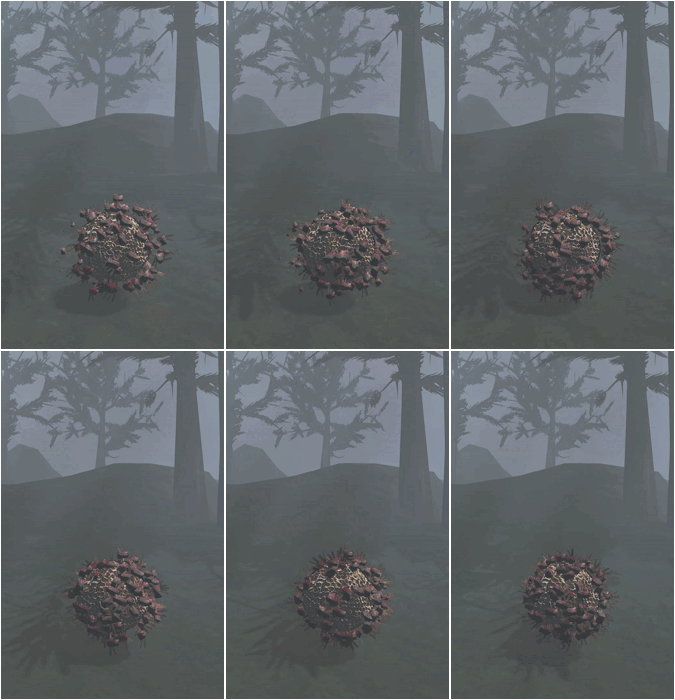
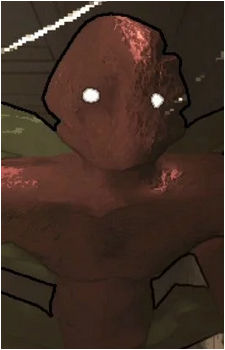
The circuit bee, also known as red bee, is a eusocial flying insect of the genus Apis, a descendant of the honey bee. Their appearance is quite recognizable from their hairy, red bodies and two sets of wings. Like their ancestors, they are well-known for their intelligent social BEEhavior, large colony size, building wax nests which they use to store honey, and their important role in pollination. Unlike the honey bee, which often chose high places such as trees to construct its hive, red bees create their hives on the ground.
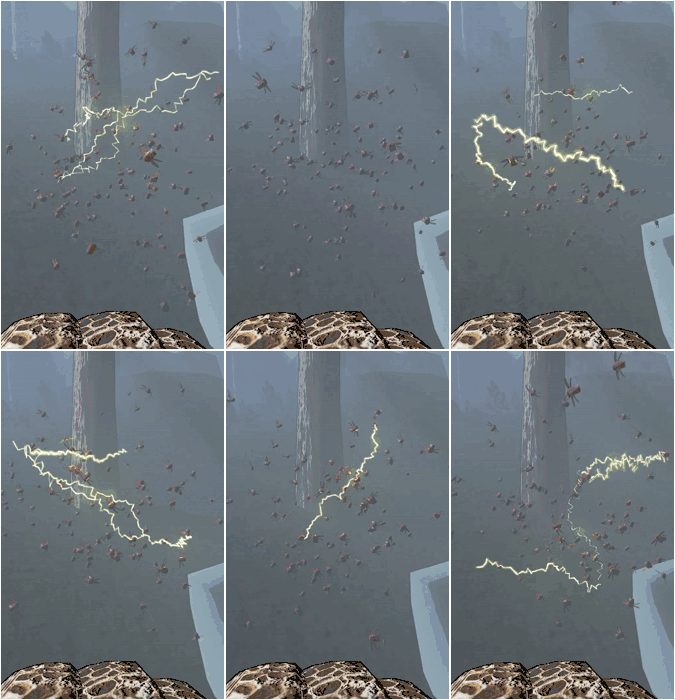
Red bees are highly defensive. They will leave the nest to attack any creature that comes within several meters, leaving BEEhind only the queen and drone bees. This bold BEEhavior is enabled by their most defining aBEElity, which is their electrostatic charge. Red bees produce friction with the air. They also produce friction by rubbing their two pairs of wings against each other any by rubbing against one another while in the hive. What allows them to create such a surplus of electric field compared to the honey bee is still under research, as they generate a stronger electric field when panicked or angered. This ability is especially useful for them around water.
It’s BEEst to keep your distance. If a red bee hive is stolen, red bee swarms will enter an onslaught in which they attack any living creature. This destructive BEEhavior will last until they have located the hive or completely exhausted themselves, which can take hours to days. They have BEEn known to leave BEEhind fields of bodies of small rodents, insects and even some larger mammals, and in rare cases they can start fires. Their strong BEEnefits and drawbacks to their ecosystems are highly debated. BEEbated!! – the indomitable Sigurd”
Edit the external links of the characters
Name can be something like "Site", "Twitch"... properly capitalized.
All links must be official, no fan pages or similar.
NameURL
keyboard_arrow_upkeyboard_arrow_downdelete
add
Add a series to the character
Sort the series of the character by drag & dropping them around
Lethal Company
Remove the series from the character
Change the series of the character
Edit the related characters
If the character you want to add doesn't share a series with this character, you can type its exact name and select "Add [name]".
Click on a character after selecting it to spoiler it. ⚠️ The current list is an auto-generated placeholder. Please only include meaningful relations if you remake it.
Edit the relation between the character and its related characters
If a single character is selected, the current relation will be overwritten If multiple characters are selected, the relation will be added to all of them Up to 5 relations per character. Spoilers are not allowed
Sigurd's danger level: 90%
Scientific name: Crabro-coruscus
The circuit bee, also known as red bee, is a eusocial flying insect of the genus Apis,... [Read more]
The circuit bee, also known as red bee, is a eusocial flying insect of the genus Apis, a descendant of the honey bee. Their appearance is quite recognizable from their hairy, red bodies and two sets of wings. Like their ancestors, they are well-known for their intelligent social BEEhavior, large colony size, building wax nests which they use to store honey, and their important role in pollination. Unlike the honey bee, which often chose high places such as trees to construct its hive, red bees create their hives on the ground. Read more
Red bees are highly defensive. They will leave the nest to attack any creature that comes within several meters, leaving BEEhind only the queen and drone bees. This bold BEEhavior is enabled by their most defining aBEElity, which is their electrostatic charge. Red bees produce friction with the air. They also produce friction by rubbing their two pairs of wings against each other any by rubbing against one another while in the hive. What allows them to create such a surplus of electric field compared to the honey bee is still under research, as they generate a stronger electric field when panicked or angered. This ability is especially useful for them around water.
It’s BEEst to keep your distance. If a red bee hive is stolen, red bee swarms will enter an onslaught in which they attack any living creature. This destructive BEEhavior will last until they have located the hive or completely exhausted themselves, which can take hours to days. They have BEEn known to leave BEEhind fields of bodies of small rodents, insects and even some larger mammals, and in rare cases they can start fires. Their strong BEEnefits and drawbacks to their ecosystems are highly debated. BEEbated!! – the indomitable Sigurd”