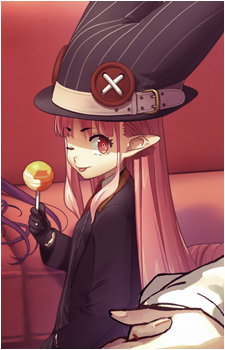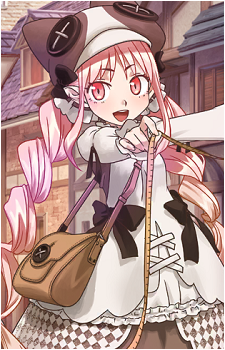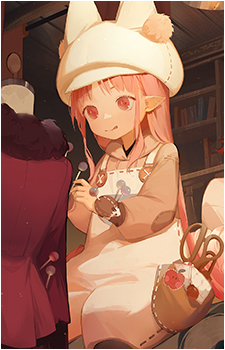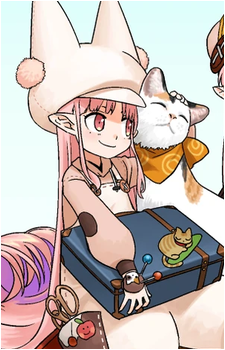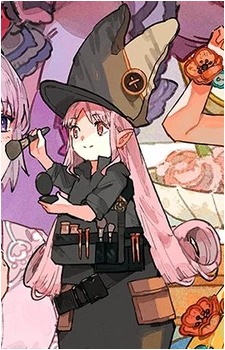
Introverted, yet active, she may not be very assertive, but she is proactive about pursuing what she wants and needs. She likes good people and can't stand e... [Read more]
Japanese: Ayasa Ito
Introverted, yet active, she may not be very assertive, but she is proactive about pursuing what she wants and needs. She likes good people and can't stand evil people. Her neutral alignment does allow her to distinguish between good and evil, and she refrains from making judgments about which is better. In short, Habetrot doesn't hate people.
Her values are: peace is "good because it's easy," while conflict is "not good because it's tiresome." She's pretty much happy as long as she can keep on doing her needlework.
The Lostbelt Habetrot did not have the cultural familiarity with brides needed to fulfill her purpose, which caused issues with her memory capacity, but the original Habetrot is very intelligent despite her small stature. One common element between the Lostbelt and Proper Human History Habetrot is her kindheartedness. Humans tend not to fare well in interactions with faeries, but Habetrot never swerves in her protection of brides. Even if the bride is a sinner or has a questionable past, Habetrot will go so far as to sacrifice herself if she thinks it will help the bride have a happy future.
Read more
Whether she is the Habetrot of Proper Human History or the Lostbelt version, her essence remains the same. Whenever she sees a girl she feels is the one (someone who has the potential to become a happy bride), she focuses all her energy into helping and supporting them. Habetrot refers to these girls as her brides. Once she sends off the bride, she goes in search for another. Even should she already have a bride in her care, if she finds another girl, she will devote herself to both, which has led some to say that Habetrot is prone to falling in love. She may not say it out loud, but Habetrot is a bundle of devotion. She is a self-sacrificing faerie who puts the happiness of her brides before her own.
Habetrot values brides so highly because she can never mature. As much as she would like to be a bride herself, that wish cannot be granted. So she at least tries to protect the futures of those girls she deems beautiful enough to fall in love at first sight. Her protection of brides can be seen to some extent as living vicariously through them, or perhaps a dazzling dream...
"Maybe I can be like those girls someday."